


Community Fairbanks Recovery Center
2 locations in Indianapolis
Payment options: Medicaid · Medicare · Private plan
Holds Joint Commission accreditation (reported to SAMHSA)
Kinds of treatment
DetoxLive-in rehabPHP, IOP & outpatient careMAT (medication)Dual diagnosis helpRehab for alcohol useRehab for drug usePrograms for certain groupsSober homes & transitional livingHow to cover rehab costsCities
Independent directory · SAMHSA data, November 16, 2026
SAMHSA lists 454 rehab centers in Indiana, from detox to outpatient care. Search by city, type of care or how you pay. Not sure where to start? Call the referral line.
Before you call, grab the insurance card and ZIP code (yours or your family member's). It is a paid referral line. A partner answers, not any program listed here.
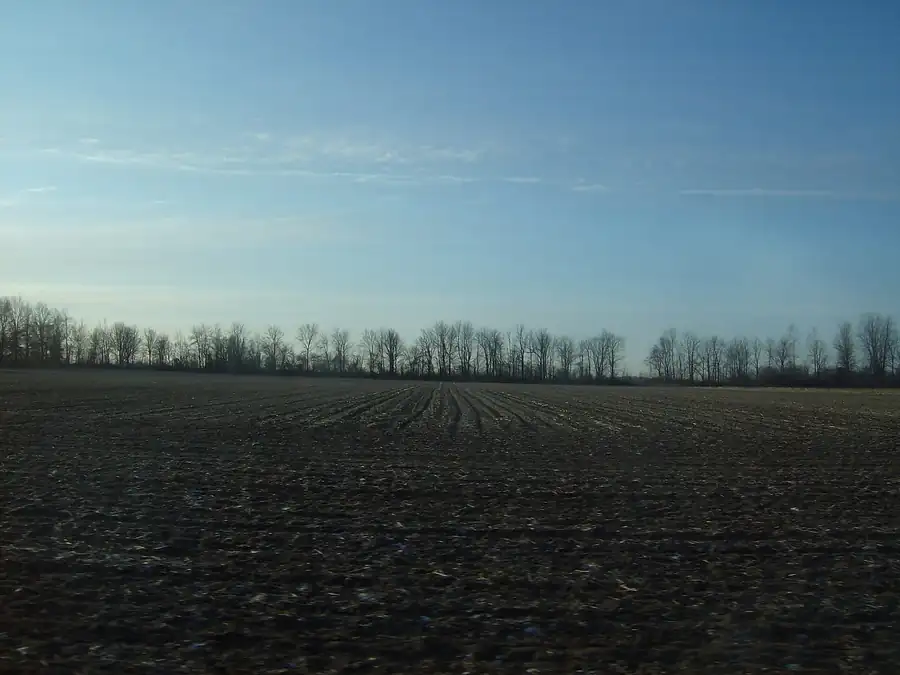
Photo: Chris Light, CC BY-SA 4.0
How to use this page
454 programs are listed for Indiana; start with your city or the nearest one.
Narrow the list by the care you need and the way you plan to pay.
Open the program page. Then go on to its own site or to its record on FindTreatment.gov.
Stuck on the next step? Call it. You reach a paid line, not one of the programs on this site.
Need emergency help?
Drinking heavily or using sedatives every day? Do not stop cold. Plan medically supervised detox first.
Where are the programs?
 Rehab in Indianapolis68 facilities · 11 detox
 Rehab in Bloomington15 facilities · 4 detox
 Rehab in Fort Wayne22 facilities · 4 detox
 Rehab in Evansville17 facilities · 5 detox
 Rehab in Terre Haute12 facilities · 1 detox
 Rehab in Kokomo15 facilities · 2 detox
 Rehab in Merrillville12 facilities · 2 detox
 Rehab in Jeffersonville12 facilities · 0 detox121 citiesAll 454 Indiana centers →
It is free, confidential and open 24/7. It is a paid referral line. A partner answers, not any program listed here.
What is near me?
447 of the 454 listed programs in Indiana report a street address, so each has its own pin; 7 list only a ZIP code and are left off the map. Zoom in to your area, or tap a pin to open the listing with services, payment and contact details.
Looking for a specific center?
Listed as reported to SAMHSA, data as of November 16, 2026. Indiana Rehab is not affiliated with these centers. All 388 listings.
2 locations in Indianapolis
Payment options: Medicaid · Medicare · Private plan
Holds Joint Commission accreditation (reported to SAMHSA)
6231 South U.S. Highway 31, Franklin
Payment options: Medicaid · Private plan
Holds Joint Commission accreditation (reported to SAMHSA)
315 Country Club Road SE, Corydon
Payment options: Medicaid · Medicare · Private plan
Holds Joint Commission accreditation (reported to SAMHSA)
1700 East 38th Street, Marion
Payment options: Medicaid · Medicare · Private plan
Holds CARF and Joint Commission accreditation (reported to SAMHSA)
1610 Blackiston View Drive, Clarksville
Payment options: Medicaid · Medicare · Private plan
Holds Joint Commission accreditation (reported to SAMHSA)
357 Tanger Boulevard, Seymour
Payment options: Medicaid · Medicare · Private plan
Holds CARF accreditation (reported to SAMHSA)
3040 West Park Drive, Huntington
Payment options: Private plan
7509 Charlestown Pike, Charlestown
Payment options: Medicaid · Medicare · Private plan
Holds CARF accreditation (reported to SAMHSA)
Why trust this directory?
Read the editorial policy. This is an independent directory, not a government service; not affiliated with SAMHSA, HHS or the State.
What kind of help do I need?
Check what it will cost
No reliable public source lists rehab prices, so here is what moves the bill, with the numbers for Indiana.
94 residential and 397 outpatient programs here. A live-in stay costs more than weekly sessions.
Many people step down from residential care to a day program or intensive outpatient, which lowers the total.
55 Indiana programs list detox. It is usually billed as its own short stay.
410 take private insurance. Agreed prices and your yearly limit apply only in network.
Out of network, the plan may pay less or nothing, and the program can bill you the difference.
202 offer medication for opioid use. It may be billed apart from counseling.
It is free, confidential and open 24/7. It is a paid referral line. A partner answers, not any program listed here.
Have a quote? Figure out your cost. No coverage? Free and low-cost options.
Pick a level of care
Outpatient is the most common level here, with 397 programs. Programs set the level with an assessment; the six-question self-check gives you a starting point.
| Kind of care | What it is | Fits when | In Indiana | Medicaid accepted |
|---|---|---|---|---|
| Medically supervised detox | Supervised withdrawal, a few days | Withdrawal could be risky | 55 | 46 |
| Live-in (residential) | Live-in care, staff around the clock | Home is not safe, or outpatient did not work | 94 | 84 |
| Day treatment (PHP) | Most of the day, sleep at home | You need daily structure | 46 | 37 |
| IOP (intensive outpatient) | Several sessions a week | You keep working or studying | 96 | 73 |
| Outpatient | Weekly counseling | Milder needs, stable home | 397 | 352 |
| Addiction medication (MAT) | Naltrexone, methadone, buprenorphine | Opioid or alcohol use disorder | 202 | 182 |
What to check in a program
SAMHSA points to five signs of good treatment. Ask about each one. Next to each sign: the number of Indiana programs that list it with SAMHSA:
221 of the 454 Indiana listings show CARF or Joint Commission accreditation. Ask to see the state license as well; Indiana DMHA is the office that grants that license.
Ask whether they prescribe buprenorphine, naltrexone or methadone for opioid or alcohol use; such medicine shows in 202 of 454 listings.
440 of 454 list at least one proven therapy: cognitive behavioral therapy (CBT), motivational interviewing or contingency management.
Family or couples therapy: listed by 151 of 454.
Ask what happens after discharge: 358 of 454 list recovery support like peer support or housing help.
Why does this matter now?
In the 12 months ending June 2026, CDC counted 1,185 drug overdose deaths in Indiana.[11] That is 24% fewer than a year earlier (1,561) and 59% below the peak of 2,869 in the 12 months ending February 2022. Synthetic opioids such as fentanyl were involved in 562, cocaine in 291, methamphetamine and other psychostimulants in 418; one death can involve more than one drug. These counts are provisional and may rise as records are completed.
Naloxone reverses an opioid overdose. 221 of the 454 listed programs hand it out with overdose training; if someone may be overdosing, call 911.

How far is treatment from me?
Indianapolis, Fort Wayne and Evansville hold 24% of the listed programs.
From the center of Union County, the nearest listed detox is about 53.7 miles away; 16 of 92 counties, home to 386,034 people, are more than 30 miles from detox. See how far treatment is from every Indiana county. Other care is closer than detox. The county farthest from a listed medication (MAT) program is Perry County, about 26.1 miles; the farthest from any listed program is Ripley County, about 19.9 miles.


How do the cities compare?
| City | Facilities | Detox | Residential | MAT | Accept Medicaid |
|---|---|---|---|---|---|
| Indianapolis | 68 | 11 | 17 | 27 | 88% |
| Fort Wayne | 22 | 4 | 8 | 13 | 82% |
| Evansville | 17 | 5 | 7 | 9 | 94% |
| Bloomington | 15 | 4 | 9 | 8 | 67% |
| Kokomo | 15 | 2 | 4 | 9 | 87% |
| Jeffersonville | 12 | 0 | 3 | 4 | 92% |
| Merrillville | 12 | 2 | 2 | 4 | 58% |
| Terre Haute | 12 | 1 | 2 | 6 | 83% |
| Richmond | 10 | 0 | 3 | 5 | 100% |
| Anderson | 9 | 1 | 3 | 7 | 100% |
| Columbus | 9 | 1 | 3 | 3 | 100% |
| South Bend | 9 | 3 | 3 | 3 | 78% |
Questions families ask
SAMHSA's FindTreatment.gov locator lists 454 addiction treatment centers in Indiana as of November 16, 2026, run by 388 organizations in 121 cities. 397 offer outpatient care, 55 medical detox and 94 residential care. Browse them on the directory, by city or by type of care.
For covered care, usually yes. 396 of the 454 listed facilities in Indiana accept it.
Indiana covers adults 19 to 64 with low income through the Healthy Indiana Plan (HIP), part of Indiana Medicaid. Indiana Medicaid, including HIP, covers addiction treatment: inpatient detox, outpatient care (regular and intensive), medication for opioid use disorder, and short-term residential treatment with prior approval. HIP work requirements start January 1, 2027, but people in a drug or alcohol treatment program and people with a substance use disorder are exempt. More on this: rehab centers in Indiana that accept Medicaid by city and level of care.
Free rehab in Indiana exists for people who qualify, and low-cost care is more common. 198 listed programs price by income and 352 report county, state or federal funding.
The Indiana Division of Mental Health and Addiction funds treatment for uninsured and underinsured Hoosiers, using state money and the federal SAMHSA block grant. Community Mental Health Centers certified by the state treat people with a substance use disorder who have no insurance or limited income, up to 200% of the federal poverty level. Certified Community Behavioral Health Clinics serve everyone regardless of insurance, and Recovery Works pays for treatment for low-income adults involved with the justice system. Dial 2-1-1 to be connected to treatment providers near you. More on this: free and low-cost options.
It depends on the level of care.
Detox usually lasts several days; residential programs commonly run about a month, and some longer; outpatient and intensive outpatient programs run for weeks to months. Your plan may approve the stay in parts, and many people step down from residential to outpatient care.
Programs decide with an assessment based on the ASAM criteria: withdrawal risk, physical and mental health, readiness, relapse risk and whether home supports recovery.
If outpatient care has not worked or withdrawal is risky, inpatient care is often the start. Try the level-of-care self-check.
55 programs in Indiana list medically supervised detox, most of them in the larger cities.
From the center of Union County the nearest is about 53.7 miles away. Detox beds fill quickly, so ask about openings before you travel, or reach the referral line (paid line; a partner picks up).
A paid line: a partner that is paid for calls answers, not a listed program, and not a government service.
You never need it to reach a program; every listing links to the program's own website. Not sure where to begin? You can reach the referral line (paid line; a partner picks up).
Compare programs above and contact one directly, or call the referral line.
It is a paid referral line. A partner answers, not any program listed here.
Facility data as of November 16, 2026. Our listings change after SAMHSA updates its data.
Reviewed on November 16, 2026 by the Indiana Rehab editors, using the sources above. How we put this together.


